
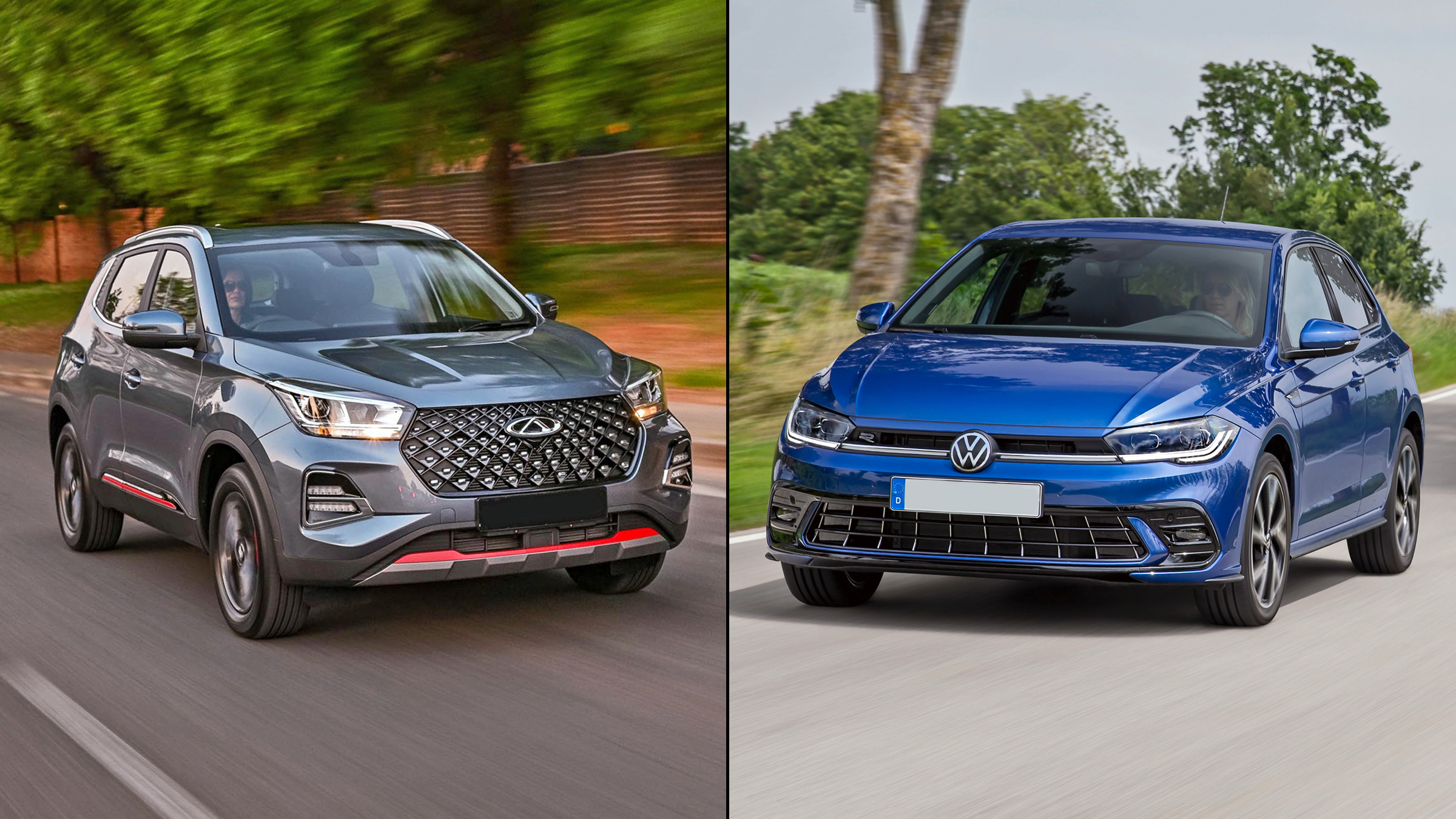
How the new kid on the block proved that heritage is no longer enough
As a young Black man with a deep interest in the automotive world, from how cars are built to why they are built the way they are, I found myself learning about the car industry at a very young age. My curiosity began when I saw a mechanic rebuilding a BMW E46 and preparing it for paint. This moment sparked my fascination with cars. Seeing so many different mechanical parts lying around the workshop made me curious. I wanted to understand what makes a BMW a BMW and what makes a Toyota a Toyota. Was it simply similar parts wrapped in different body structures, or were the internal mechanics completely different, leading to different costs and performance?
The mechanics, engineers and electricians at the workshop explained as much as they could to a curious 12-year-old boy. What I retained was that different cars use different engines, and engine displacement varies between brands and models. I also learned about gearboxes and transmissions, and how manual and automatic systems behave differently. As I grew older, so did my knowledge. I started to realise that people choose cars largely based on their needs. Some follow trends and buy whatever is popular, while others go against the norm entirely.
For the longest time in my friend group, I have been the black sheep. Most of my friends are die-hard Volkswagen (VW), BMW and Audi fanboys and girls. Then there is me, the one obsessed with American muscle cars. The reason I love muscle cars is simple. They stay true to their nature. Big bodies, high horsepower and unapologetic gas-guzzling engines that make absolutely no sense. That is exactly the point. Take the Dodge SRT Hellcat Redeye for example. It has a 6.2L Hemi V8 engine producing over 700 horsepower and averages around 18.6 L/100 km. It is ridiculous, excessive and completely thrilling. When I eventually reached the stage of looking for my first car, the automotive climate had long been dominated by legacy brands. South Africans have traditionally been brand loyal, or even brand snobbish, often purchasing vehicles they know and trust.

However, recent years have shown signs of change.
Due to rising living costs and inflation, consumers have become far more price-conscious. Gradually, people started moving away from traditional legacy brands because vehicle prices, features and maintenance costs were becoming increasingly expensive.
Then Great Wall Motor (GWM) began introducing fresh models into the South African market, most notably the Haval Jolion, a 1.5-litre turbocharged SUV. When it arrived in the country, it was an immediate hit. Early adopters praised the vehicle, and while some journalists agreed, many were sceptical and openly criticised it. While GWM was gaining traction, another development was unfolding overseas. Chery, a brand that had previously failed in South Africa years ago with subpar models, began planning its return.
The Chery brand is now a wholly owned subsidiary of a major Chinese industrial group and China’s top vehicle export brand for more than 18 years. It re-entered the South African market with renewed ambition. The introduction of the Tiggo 4 Pro, Tiggo 7 Pro and Tiggo 8 Pro proved to be a major success. The brand sold over 20,000 vehicles within 18 months, a phenomenon the automotive industry had not seen in years.
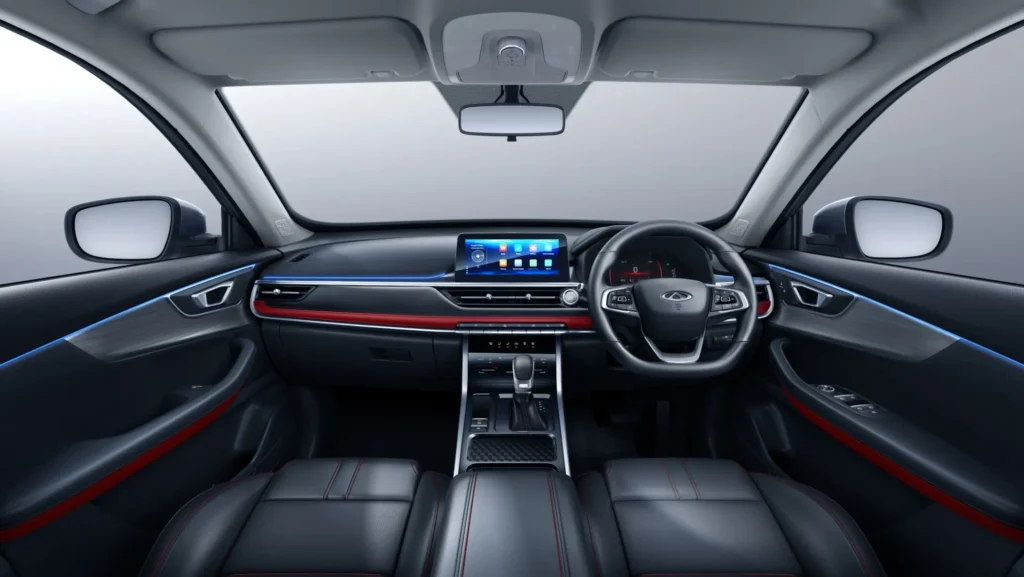
What made these vehicles so popular was simple. They offered modern technology that customers actually wanted and could use. Unlike the often outdated tech packages found in some European, Korean and Japanese legacy vehicles, these features felt relevant and practical. Even more importantly, the price points were highly competitive. Many consumers began trading in their legacy vehicles for these newcomers. As customer feedback increased, manufacturers rapidly improved their models. Each yearly update brought noticeable improvements. However, criticism of Chinese cars continued to grow louder among sceptics. Despite the criticism, the market told a very different story.
Chery then announced it would introduce its subsidiary brands. Omoda arrived for buyers seeking sportier styling, while Jaecoo was introduced for those wanting luxury. That is when the takeover truly began. When I started shopping around for a car, I considered several options. The Polo Vivo was appealing but felt overpriced for the basic features it offered, and it carried a high theft risk.
Toyota and Suzuki derivatives like the Starlet and Baleno were reliable, efficient and practical, but ultimately quite basic. Once optional extras were added, the price of these vehicles could easily climb to around R350,000 including interest. Then I looked at the Chery Tiggo 4 Pro.
It came with an impressive list of features as standard, and the optional extras only added about R20,000, bringing the total price to around R298,000 at the lending rate. This decision ultimately solidified my purchase. An equivalent specification from a legacy brand would likely have cost close to R400,000. Insurance was another factor. Because the vehicle carries a lower theft risk, insuring the Tiggo 4 Pro was about R450 cheaper compared to competing models.
Six months into ownership, the experience has given me valuable insight into car ownership. Buying and financing a vehicle is one thing, but maintaining it is another responsibility many people underestimate. Costs such as tyre replacements, fuel for weekend trips and fluctuating petrol prices all affect monthly expenses.
Still, there have been moments where I have been grateful for the car I chose. When my family travelled to Cape Town, the luggage space proved incredibly useful. I was able to pack everyone’s bags and drive to the airport ahead of time to check everything in. By the time the rest of the family arrived, they could go straight through to the terminal. I even managed to enjoy the Discovery Lounge after running into an old friend who helped me secure early access and an upgrade.
Another thing I appreciate about the car is the relatively low theft risk. Although it is a popular vehicle, it remains less targeted by criminals. I have added extra security measures, but there is still a level of peace of mind knowing that when I return to my car at the mall, even late at night, I will likely find it exactly as I left it, headlights intact.